The Digital Storm, Part 4: Malware & Privilege Escalation
Everything we own is "collecting" data on us. Collection is just a polite word for "spying." Your mobile devices, smart appliances, security cameras, and even your car are "learning" about you. Hopefully, it’s just to sell you more stuff — but as we know, there is always more to the story.
Computer Malware: The Ghost in the Machine
Hacking and exploiting systems is as old as the computers themselves. The more sophisticated these devices get, the harder it is to realize that while you’re surfing the net, your computer might be sifting information elsewhere. The faster the connection, the faster data leaves your device without you being any wiser. This isn't just about your home Wi-Fi; it’s about your cell phone when you're out and about. Literally everything you do is logged. Every AI query, every "Hey Siri" — it’s all recorded.
If I’ve freaked you out already, I advise you to sit down — because it will get more intense. In a future article, I’ll talk about the "usual suspects" — viruses, trojans, and worms. But today, I’ll blow your mind with something more insidious.
Privilege Escalation: The Squatter in the Crawlspace
In plain English, Privilege Escalation means that a program you "trusted" with basic access decides to snoop around areas you never "gave it permission" to enter — even if you "clicked to opt-out." Sometimes they do this legally because we skip the 200-page Terms of Service written in a font so small it looks like an ant viewed from the moon — scrolling three lines at a time.
We give blind trust to faceless entities. Many would freak out if their significant other read their texts (I don't — my wife can read all she wants, she might get bored), yet they'll download a game that records them while they’re sitting on the toilet scrolling through memes. I'm not kidding. Somewhere, a perv is enjoying live images of your "morning or evening routine" because you gave that app permission through privilege escalation. I cited that example because I know that will spark your attention more than if I said it was recording you while you eat your croissant and sip a latte.
How They Get "The Keys"
Our phones have our photos, contacts, banking info, and passwords. It also tracks our movement — that’s how Google Maps knows which lane is slowing down when driving around town. We give apps access, and while some legit ones abide by your "privacy settings," others treat those settings like a suggestion they categorically ignore.
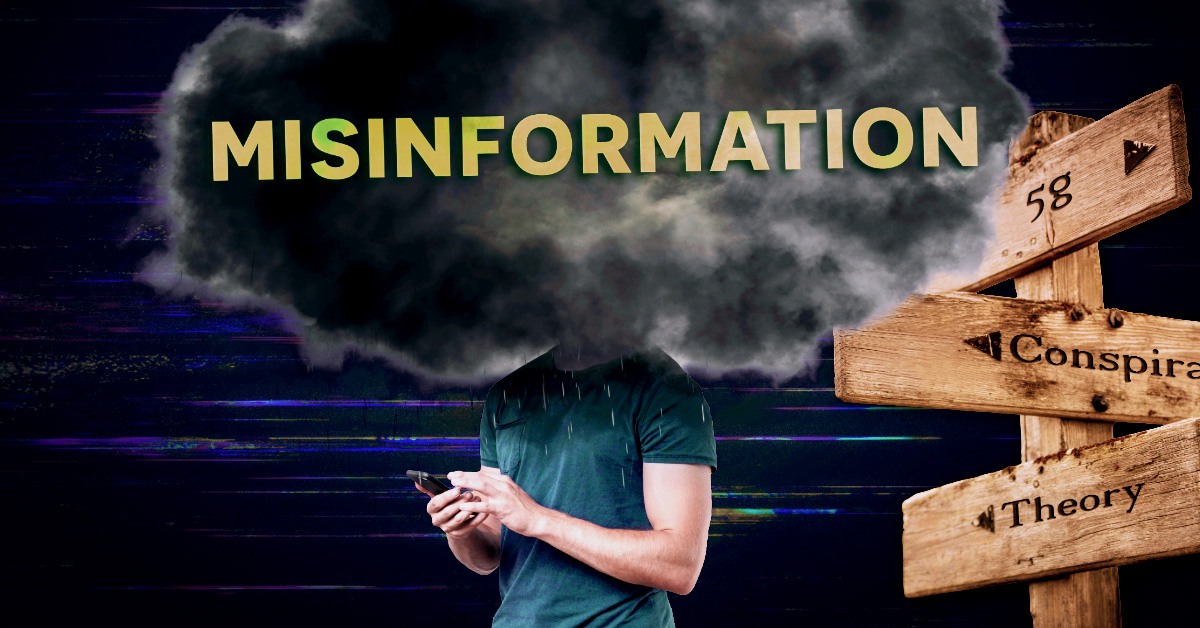
Privilege Escalation Malware often "piggybacks" on apps you already trust. For example, folks give a social media app access to their camera and mic and so much more. Then, they see a post: "I bet only 1% of smart people can solve this riddle!" They click the link, and suddenly, the malware uses the "Privilege" of the social media app to look through their camera. If they check the web address (the alias) and it’s a weird string of random numbers and symbols... congratulations, they just handed the keys to a hacker.
Think of it like a squatter in your crawlspace. They found the key you hid under the mat back in 1997. They aren't stealing your Wi-Fi or raiding the fridge yet — because the moment they act, they lose their "cozy spot." They are just waiting.
Apple vs. Android: The Guarded Gate
Any phone can be hacked. Period. But as an Information Warfare specialist, I prefer iPhones for one reason: Red Tape. To be an iOS developer, you have to jump through so many hoops that it acts as a deterrent.
Android is traditionally more "open," which is why power users love it. However, by 2026, even Google has started demanding government IDs from developers to curb malware. But remember: every phone is a potential vector. That is why in government buildings handling classified info, your "smart" devices stay in a locker outside.
What Can You Do? Stop Being a "Soft Target"
You can't hide completely, but you can make it harder.
- Physical Blocks: Cover your cameras and muffle the mic when not in use.
- Network Discipline: Avoid free Wi-Fi. It’s a fishing net for your data.
- VPNs: Invest in one (we'll dive into that rabbit hole later).
- The "Daisy Chain": Be aware of "rogue towers" (IMSI Catchers) that mimic real cell towers to sift your data as it passes through.
This might be a downer, but remember: even rotary phones were tapped — but there are ways to defend yourself against it. Malware is like water damage — it might be out of view. And it is not the actual water that rots the wood, but the "microorganisms" that thrive in that environment, causing the real damage. In other words, apathy and ignorance are what allow the rot to spread. The more we know, the less an adversary can exploit the gap. Hence, I write this stuff for you. BVZ
 About the Author: J. Marcelo "BeeZee" Baqueroalvarez
🔗 Connect & Learn More: Visit Marcelo's comprehensive landing page for his extended bio, social links, consulting form, and more.
J. Marcelo "BeeZee" Baqueroalvarez is the Founder of Half Life Crisis™, a unique father-daughter collaboration dedicated to the relentless pursuit of intellectual honesty, critical thinking, geopolitical strategy, and meaningful art. Marcelo is the recognized author of the essential reads, Authoritarianism & Propaganda and Woke & Proud, driving challenging conversations worldwide. When not publishing, Marcelo utilizes his strategic insight in technology and business as the founder of BeeZee Vision, LLC™, which includes BZVweb™ Automated Web Services and Info in Context™ strategic consulting.
Continue the Conversation
We encourage intellectual debate! To maintain a clean, focused reading experience, comments have been disabled on this article. Share your insights, counterarguments, or continue the discussion on your preferred social platform: